Why Belton · Guide 02 of 9 · Comparing
Belton vs Temple vs Salado: Which Central Texas Town Wins?
Belton, Temple, and Salado sit within a twenty-minute drive of each other on the I-35 corridor, yet they are three completely different lives. Temple is the bustling regional hub, Belton is the county-seat lake town with the character, and Salado is the picture-perfect historic village with a boutique price tag.
People ask me all the time which one wins, and my honest answer is that it depends on who is asking. So let me do what I do with clients: put all three on the table, compare them straight across the things that actually matter, and tell you exactly which buyer type each town serves best.
Words by Lisa Copeland · Realtor · eXp Realty
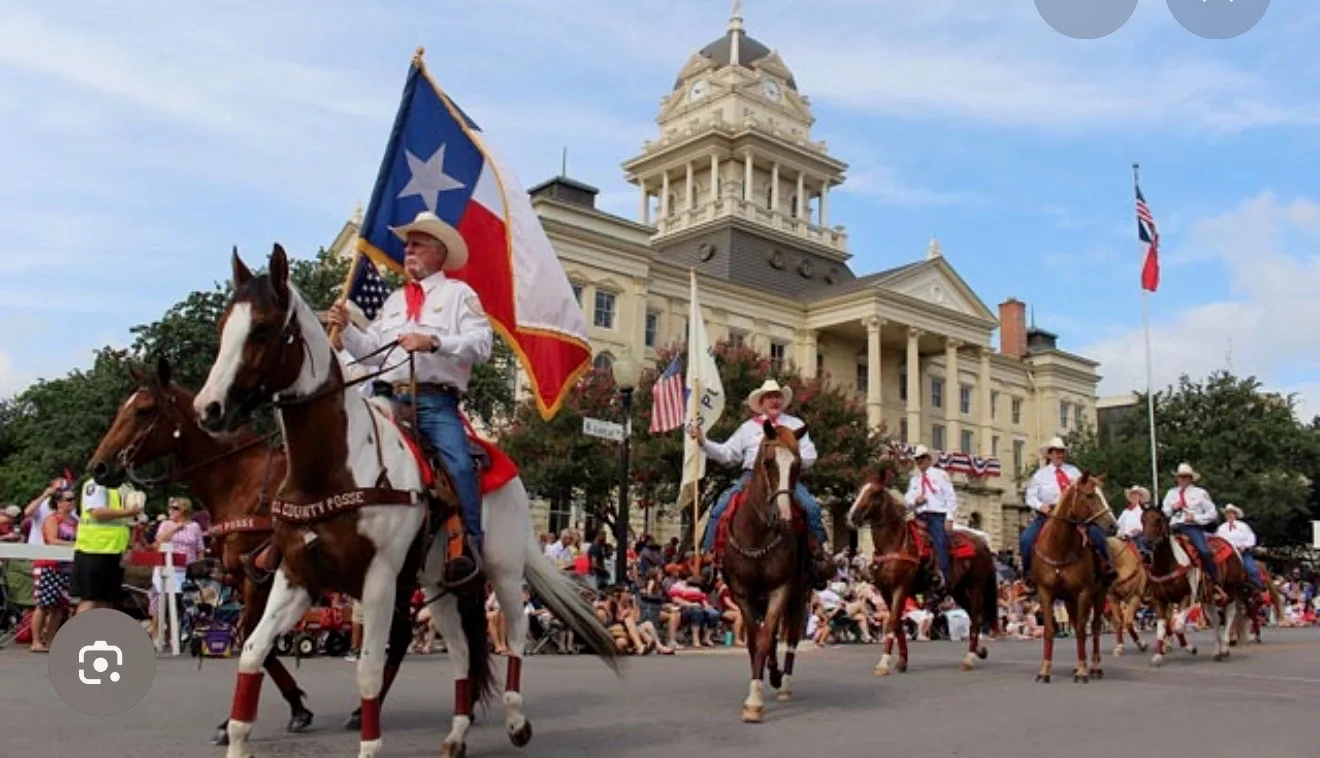
Three towns, three personalities
Start by understanding what each town is at its core. Temple is the practical overachiever: roughly 90,000 people, the Baylor Scott & White medical campus with McLane Children's hospital, strong retail, and an airport corridor that keeps it busy. It is the commercial engine of Bell County and the Central Texas Veterans Affairs hub for the region.
Belton is the soul of the county: the seat of government since 1850, home to the historic courthouse square, the University of Mary Hardin-Baylor, Lake Belton, and the fastest-growing family communities in the area. It is smaller and quieter than Temple, and that is precisely the point for the people who choose it.
Salado is the daydream: a historic village south of Belton with a famous Main Street of shops, galleries, and inns along a spring-fed creek. Its population is tiny, its real estate is premium, and its appeal is lifestyle and beauty more than schools, employers, or square footage per dollar.
The head-to-head table
Here is the honest comparison, criteria by criteria. I use recent, roughly accurate figures and general truths rather than pretend precision, and you should verify current numbers with live listings and the appraisal district before you decide.
| Criteria | Belton | Temple | Salado |
|---|---|---|---|
| Population | ~23K census, ~26K estimated | ~85K to 90K | ~2,000 to 2,500 |
| Feel | County-seat lake town | Regional commercial hub | Historic boutique village |
| Schools | Belton ISD, B-rated district | Temple ISD, B-rated district | Salado ISD, small acclaimed district |
| Typical resale homes | Low-to-mid $300Ks | Upper $200Ks to low $300Ks | Premium, generally higher prices |
| Lot sizes | Acreage and ranch lots common | Mostly city lots | Larger lots, limited inventory |
| Lakes | Lake Belton and Stillhouse minutes away | Lake access at Belton's edge | Creek, no lake |
| Downtown | Historic square, shops, museums | Sprawling commercial corridors | Famous Main Street of shops |
| Austin commute | ~60 to 70 min | ~65 to 75 min | ~55 to 65 min |
| Fort Cavazos | ~30 to 40 min | ~35 to 45 min | ~35 to 45 min |
| Best for | Families, lake lovers, custom builders | Job seekers, medical careers, retail | Retirees, second homes, charm seekers |
Schools: Belton ISD vs Temple ISD vs Salado ISD
All three towns have solid public schools, and neither Bell County district is the kind of gamble that should keep a family up at night. When the state released its first round of renewed A-F accountability ratings in 2025, both Belton ISD and Temple ISD were designated B districts overall, and both have standout individual campuses, including an A-rated Lake Belton High School and an A-rated Lakewood Elementary in Belton.
Belton ISD serves roughly 13,500 students across about twenty campuses, with multiple high schools and dedicated programs for its sizeable military-connected population. Temple ISD is a large, established district with a strong athletics and fine arts culture and its own military-family support systems, since so many students come from Fort Cavazos families. Salado ISD serves a much smaller enrollment and has earned strong academic reputations, but its size means fewer program offerings and a very limited housing pipeline around it.
For families building at Ranch at Latitude 31, the relevant district is Belton ISD, and I will pull the exact feeder pattern for any homesite you consider, because boundaries changed recently and matter at the address level.
Housing prices and lot sizes
Let me talk housing honestly, because this is where the three towns diverge most. Belton's resale market has recently centered in the low-to-mid $300Ks, with plenty of inventory and, crucially, real acreage and ranch lots available close to town. Temple is slightly more affordable at the median on comparison sites, but you are buying a city lot in a larger metro footprint for that price.
Salado is the outlier: premium pricing for historic charm and creekside lots, often well above Belton or Temple per square foot, with far fewer homes on the market. If you want a big lot and a custom build, Belton wins on land value, and communities like Ranch at Latitude 31, with homesites up to 3.11 acres and custom homes starting in the high $700Ks, are exactly what that looks like.
Commute and location
All three towns live on the I-35 corridor, so the Austin access is similar: Belton is about sixty miles from Austin, Temple a few miles farther north, and Salado a few miles closer, which is why Salado edges out the others for literary commuters, though the difference is measured in single-digit minutes.
For work in Temple's hospitals or the commercial centers, Temple obviously wins on proximity. For the Fort Cavazos commute, Belton's US 190 access gives it a small but real edge over the others. For anyone splitting time between Waco and Austin on the interstate, Salado's position is genuinely the most convenient. There is no universal winner, only the right town for your drive.
Lake access
This one is not close: Belton owns the lake life. Lake Belton, the Army Corps of Engineers reservoir of about 12,400 surface acres, starts roughly five miles northwest of downtown, and Stillhouse Hollow Lake, about 6,400 acres, sits a similar distance west. Boats, fishing, marinas, Corps parks with swim beaches and campgrounds: they are all a short drive from anywhere in Belton.
Temple residents reach the same waters from the north side, and Temple's Lake Park on Belton Lake is a genuine favorite, but the town itself is not a lake town. Salado has its namesake spring-fed creek, gorgeous for walks and inns, with no lake at all. If water is your priority, Belton wins and it is not subtle.
Read the full lake guide: Lake Belton and Stillhouse HollowDowntown and small-business scene
Belton's courthouse square is the real thing: a historic courthouse, independent shops, coffee houses, barbecue joints, a classic theatre, and the Bell County Museum, all wrapped around a square that still functions as the center of town life. It is small, but it is alive, with Market Days, the farmers market, and festivals filling the calendar.
Temple's energy lives on its wider commercial corridors, with big retail and dining spread across the city rather than one historic core. Salado's Main Street is the most photogenic of the three, a long strip of boutiques, galleries, and restaurants that draws visitors from all over Texas, though its daily-life services are limited compared to the other two.
Community feel and nightlife
Belton feels like a town where you know your neighbors, and the college energy of Mary Hardin-Baylor keeps the square younger than its population would suggest. Nightlife is modest: a few good spots on and near the square, Temple's scene a short drive away when you want more.
Temple has the most options, with more restaurants, music, and evening energy, plus the crowds that come with a 90,000-person city. Salado is the quietest, and proudly so: early nights, creek walks, and conversation on the porch. There is no wrong answer, but there is definitely a right match. Are you here for quiet or for variety?
Growth trajectory
Temple is the largest and has been the corridor's steady grower for decades, absorbing jobs, retail, and medical expansion. Belton is the one growing fastest from its smaller base, with the housing boom, new schools, and lake-driven appeal pulling in families who would have landed in Round Rock or Georgetown a decade ago.
Salado has deliberately protected its historic character, which means limited growth and limited inventory, a feature for residents who want it to stay exactly as charming as it is, and a constraint for anyone who needs a standard suburban market with options.
Which buyer wins with each town?
Families building a custom home: Belton
Belton's land, schools, and family community are the package. Acre lots, Belton ISD, two lakes for weekends, and a square for strolling: it is the whole family picture, and it is where Ranch at Latitude 31 sits.
Medical careers and retail jobs: Temple
The Baylor Scott & White campus, VA services, retailers, and the sheer job density make Temple the practical choice for anyone whose career is tied to the big employers. The commute from Belton is only ten to fifteen minutes, though, so many Temple workers choose to live in Belton anyway.
Retirees and second homes: Salado and Belton
Salado suits buyers who want charm, boutique living, and a weekend-inn atmosphere, and who can pay premium prices for it. Belton suits retirees who want the same ease with a real town behind them: clinics and hospital access, a walkable square, lakes, and single-story custom homes without the Salado premium.
Young professionals: Temple, with Belton as the sleeper
Temple has the jobs and the nightlife. But a growing number of young professionals are choosing Belton for the bigger home, the quieter nights, and the fifteen-minute drive to the Temple scene when they want it.
Hobby farmers and acreage seekers: Belton
This is Belton's third win in a row. Salado's acreage is precious and pricey, Temple's is mostly suburban, and Belton's countryside still offers real land at real prices, with homesites from half an acre to over three acres inside ranch communities.
The bottom line
If I had to compress this into one paragraph, it is this: choose Temple for jobs and variety, choose Salado for charm and beauty, and choose Belton for land, lakes, family life, and value. Belton is the town where your dollar, your weekends, and your kids all win at once, and it is the one I call home.
And here is the liberating truth: they are all twenty minutes apart. You can live in Belton, work in Temple, and take the grandkids to Salado on a Saturday morning. The corridor is one community with three hearts, and the smart buyer picks the heart that beats for them.
“Do not ask which town is best. Ask which town is best for the life you are actually building. That answer is easier than you think.”
Common Questions · 30 Straight Answers
Common Questions
These are the questions I hear every week, asked the way people actually ask them. Here is how I would answer each one if we were on the phone right now.
01 Is Temple or Belton better?
It depends on what you need. Temple is bigger, with more jobs, retail, and medical options. Belton has the lakes, the land, the historic square, and usually a better home and lot for the same money. Families and lake lovers tend to prefer Belton; people whose careers live in Temple's major employers often end up in Belton anyway and commute the ten to fifteen minutes.
02 Is Salado better than Belton?
Salado is more picturesque and has a famous Main Street, but it is smaller, pricier, and has far less housing inventory. Belton offers more services, better lake access, stronger school choices, and more land for the dollar. If you want charm and a premium lifestyle and can pay for it, Salado is lovely. For daily life, value, and space, Belton wins for most buyers.
03 Where is the best place to live in Central Texas?
The honest answer is that the best place is the one that fits your job, your schools, and your budget. On the I-35 corridor north of Austin, Belton is the strongest combination of land, lakes, schools, and value right now, which is why families keep choosing it. But Central Texas is full of good towns, and the right one is the one you can live in well, not the one with the best reputation.
04 Which city has better schools, Belton or Temple?
Both Belton ISD and Temple ISD earned B ratings in the 2025 release of Texas A-F accountability ratings, and both have strong individual campuses and programs. Belton ISD serves about 13,500 students with multiple high schools and notable military-family support; Temple ISD is larger with deep athletics and fine arts traditions. Compare the specific campuses in your feeder pattern rather than the district overall.
05 Is Belton growing faster than Temple?
Belton has been growing quickly from a smaller base, with census estimates moving from about 23,000 in 2020 toward 26,000, thanks to family moves, new communities, and the lakes' appeal. Temple is larger and grows steadily as the regional commercial hub. Both are growing; Belton's growth percentage is the more dramatic story.
06 Is Salado expensive?
Yes, generally. Salado's historic character and limited inventory push prices above the surrounding towns on a per-square-foot basis, and premium lots along the creek carry premium price tags. You pay for charm and privacy, and many buyers find it worth it for a second home or retirement escape.
07 What is Salado known for?
Salado is known for its historic Main Street lined with shops, galleries, antiques, and inns, its spring-fed creek, and its long-running arts and music festivals. It is a classic Texas day-trip destination and one of the most scenic villages on the I-35 corridor between Austin and Waco.
08 Is Salado a good place to live?
For the right person, yes: it is quiet, beautiful, walkable around the village core, and safe-feeling in the way small historic communities are. The trade-offs are limited services, little housing inventory, and premium prices. It suits retirees, creatives, and people who want a slower rhythm far better than it suits job-seeking young families.
09 Which is closer to Austin, Belton or Temple?
Belton is a few miles closer to Austin than Temple, and Salado is a few miles closer than Belton. In practice the difference is single-digit minutes on the same stretch of I-35, so the Austin commute is essentially the same decision for all three, with Salado holding a modest edge.
10 Is Belton or Temple safer?
Both are generally regarded as safe communities, and published crime data for towns this size fluctuates year to year. Check the current statistics from the Belton and Temple police departments and Bell County for the specific neighborhoods you are considering. The lived experience in either town is typically comfortable and family-oriented.
11 Which town has better lake access?
Belton, without question. Lake Belton and Stillhouse Hollow Lake are both a short drive from downtown Belton, with boat ramps, marinas, parks, and swim beaches across the Corps-managed shoreline. Temple reaches the same lakes from its north side, and Salado has only its creek. Water lovers choose Belton.
12 Which town is better for retirees?
Belton and Salado both suit retirees, in different ways. Salado offers beauty, quiet, and a boutique lifestyle at a premium. Belton offers lakes, single-story homes and acreage, a walkable square, convenience care clinics, and Baylor Scott & White's major medical campus just fifteen minutes north in Temple, plus the 65-plus property tax protections. For practical, active retirement, Belton is hard to beat.
13 Which town is better for military families?
Belton is one of the most popular off-post communities in the Fort Cavazos area, thanks to a dependable thirty- to forty-minute commute, Belton ISD's strong military-connected programs, and good housing value. Temple is also a solid option with its own military-family support in the schools and more rental and job flexibility. Both work; Belton has the stronger reputation among families I work with.
14 Which town is better for commuters to Fort Hood?
Belton has the edge, with roughly a thirty- to forty-minute drive to the Fort Cavazos main gate via US 190 and I-14, and several neighborhoods sit closer than that. Temple and Salado add about five to ten minutes. Belton also pairs the commute with the better schools-and-land package for families.
15 Which town has a better downtown?
Belton has the classic courthouse square with shops, coffee houses, the museum, a theatre, and a real calendar of events. Salado's Main Street is more famous and more boutique-oriented. Temple's commercial scene is spread across corridors rather than one historic core. For daily charm and character, Belton's square is the winner; for picture-postcard shopping, Salado.
16 Is Temple bigger than Belton?
Yes, by a wide margin. Temple is roughly 90,000 people and the larger city in Bell County, while Belton is about a quarter of that size. Temple's size brings more jobs, retail, and services; Belton's size brings the intimacy, space, and slower pace.
17 What is Temple known for?
Temple is known as a regional medical and commercial hub, home to the Baylor Scott & White Medical Center Temple campus and McLane Children's Medical Center, the Central Texas Veterans Affairs system, and a strong railroad and industrial heritage. It is the biggest city in Bell County and the practical job center of the corridor.
18 Which town has better restaurants?
Temple has the largest and most varied restaurant scene, with options across every cuisine, plus the draw of the medical district. Belton's square punches above its weight with beloved local spots, barbecue, coffee roasters, and a handful of destination restaurants. Salado has a curated set of charming Main Street eateries. For sheer choice, Temple; for character, Belton.
19 Which town has better shopping?
Temple, clearly, with big-box retail, malls, and national chains spread across the city. Belton covers daily needs locally with a shopping center scene, and Salado offers boutique and antique shopping rather than daily essentials. Most corridor residents combine all three: errands in Temple and Belton, and Salado for the fun stuff.
20 Which is more affordable, Belton or Temple?
Comparisons show them very close at the median, with Temple often edging slightly lower on resale price per square foot, while Belton edges ahead on lot size and land value. The affordable winner depends on what you are buying: a smaller city lot in Temple or more land and a quieter town in Belton.
21 Which has bigger lots, Belton or Temple?
Belton, clearly. Acreage and ranch lots are common in and around Belton, including communities like Ranch at Latitude 31 with homesites up to 3.11 acres. Temple's housing stock is mostly traditional city lots. If land is your priority, Belton is the answer.
22 What is the commute from Belton vs Temple to Austin?
Belton to Austin is roughly sixty to seventy minutes with normal traffic on I-35, and Temple adds a few minutes north of that; both stretch past an hour in rush hour. Salado is marginally closer. None of the three is an easy daily commute to downtown Austin, so most corridor residents work locally or on hybrid schedules.
23 Are home values rising faster in Belton or Temple?
Both have seen steady appreciation typical of the I-35 corridor. Belton's smaller base and land scarcity have driven strong recent gains, and communities with lake and ranch appeal have led the way. Past performance is no promise, so look at current comparables for the specific neighborhood you prefer.
24 Which town should I choose for a custom home?
Belton, for most buyers, because of land: bigger lots, more acreage communities, and a builder scene that includes family-owned custom builders like Riata Builders, who have been delivering custom homes since 2007. Salado's premium land and Temple's city lots make the custom equation harder. A custom home wants room, and Belton has it.
25 Is Salado walkable?
Around the village core, yes, Salado is delightfully walkable, with Main Street shops, restaurants, the creek, and inns within strolling distance. Away from the core, it is a rural village that requires a car. The walkable center is a big part of its charm.
26 Does Salado have a lake?
No lake. Salado has its famous spring-fed creek running through town, which is beautiful and historic, but there is no boating or fishing reservoir. Residents who want the lake life drive to Belton Lake or Stillhouse Hollow, about fifteen to twenty minutes north.
27 Which town is best for a weekend visit?
Salado is the classic weekend destination, with its inns, galleries, and creek walks, and it draws visitors from all over Texas. Belton offers a great day trip: the square, the museum, a movie at the historic theatre, and lake recreation. Make it a two-stop trip and get both.
28 Is Temple a good place to raise a family?
Yes, Temple is a solid family town with good schools, parks and sports, family health care anchored by Baylor Scott & White and McLane Children's, and plenty of activities. Compared with Belton, it trades some intimacy and land for more amenities and options. Many families choose Belton for the feel and still use Temple's services.
29 Which town feels more like a small town?
Belton and Salado both feel small, in different ways. Belton has the small-town civic life: the square, the festivals, the high-school pride, the county seat rhythm. Salado feels like a preserved village. Temple feels like a small city. For genuine small-town daily life with the amenities of a nearby city, Belton is the sweet spot.
30 Can I live in one town and commute to jobs in the others?
Absolutely, and people do it every day. The three towns are minutes apart on I-35 and US 190, so you can live in Belton, work in Temple or on post, and enjoy Salado on weekends. The corridor is effectively one community, which is why the town you live in matters more for lifestyle than for work.
Start Your Custom Home Journey
It is never too late to build the life you deserve.
Whether you are moving to Belton in six months or six years, start the conversation now. Lisa and the Lioness Home Group answer every call and every email, and we will tell you the truth about this market, these lots, and this community. That is the whole point of having a fierce advocate on your side.
Or email lisa@lisacopeland.com
Keep Reading
More from the Why Belton guide
Why Belton
Moving to Belton, Texas: The Complete Relocation Guide
Cost of living, neighborhoods, taxes, commutes, and the step-by-step moving playbook for your first year in Belton.
Read the guideWhy Belton
The Belton Lifestyle: Lakes, Trails, Downtown, and Friday Night Lights
What the winner actually feels like week to week: recreation, the square, the festivals, and the community calendar.
Read the guideWhy Belton
Why Families Are Leaving Austin for Bell County
The market forces behind the corridor boom and what they mean for your home-buying timing.
Read the guide